lihat produk
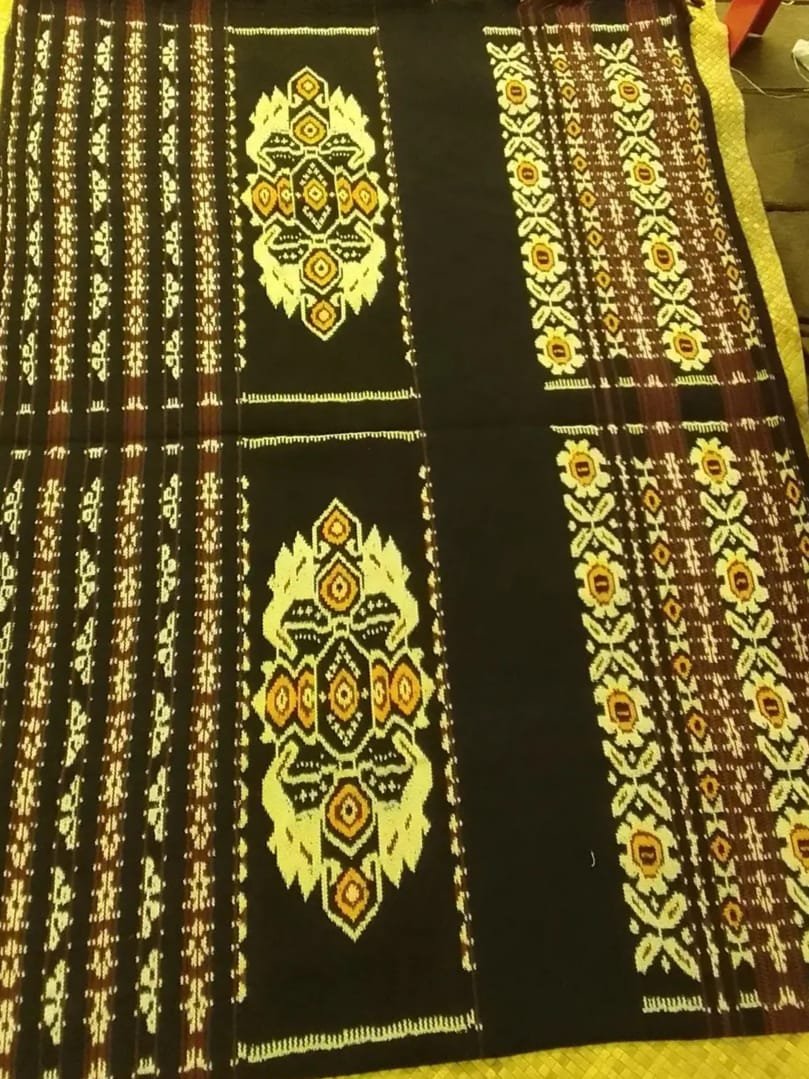
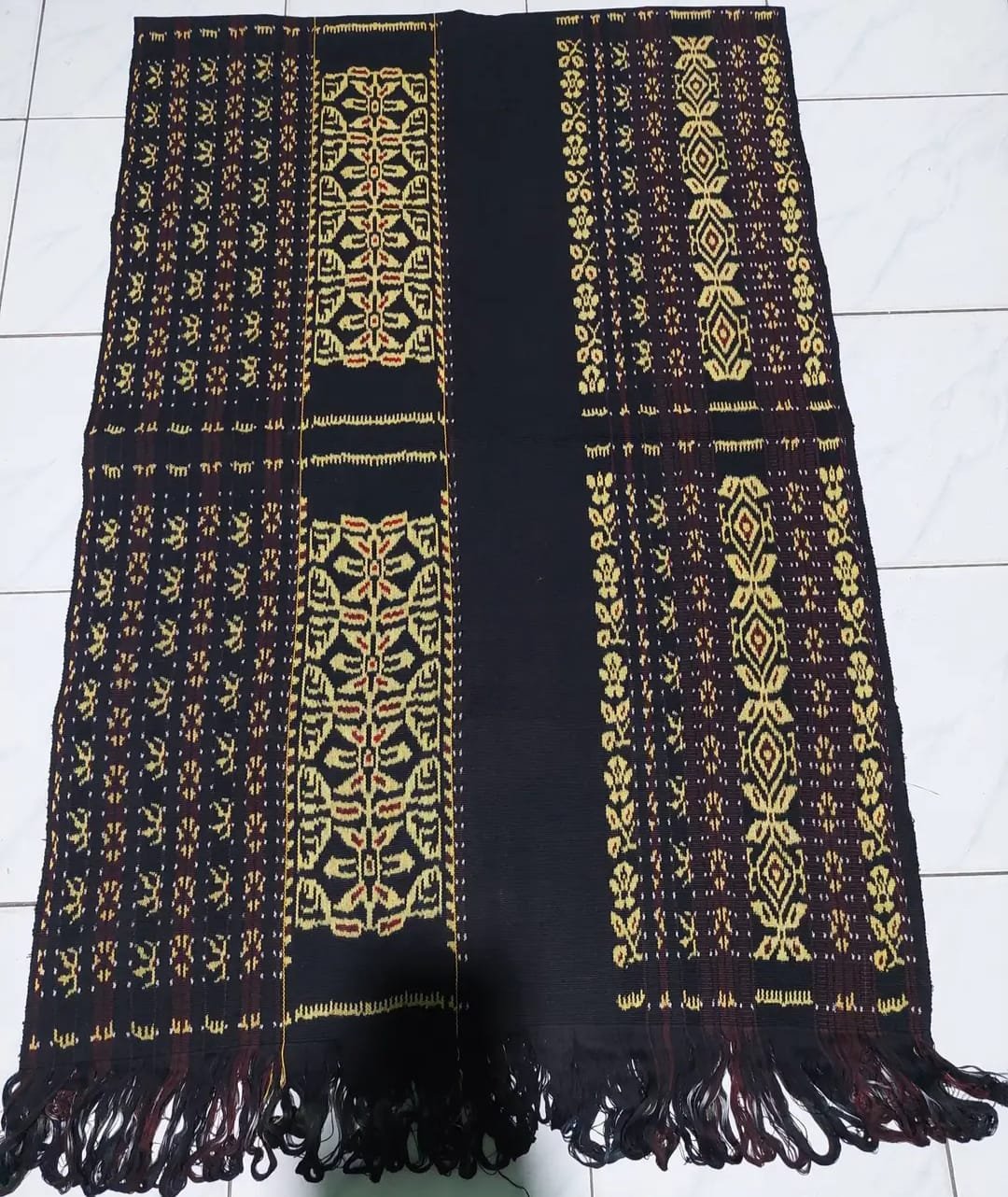
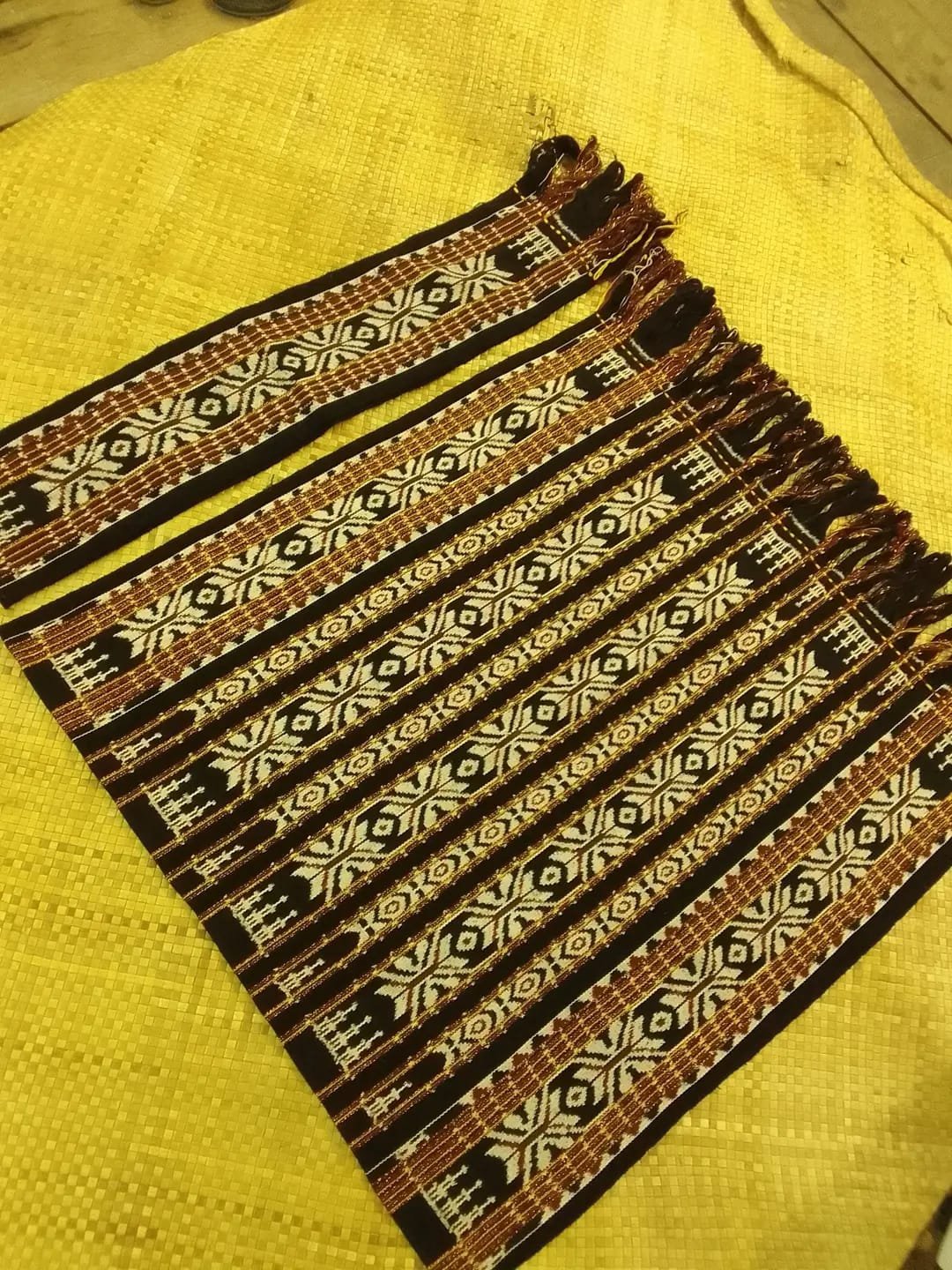
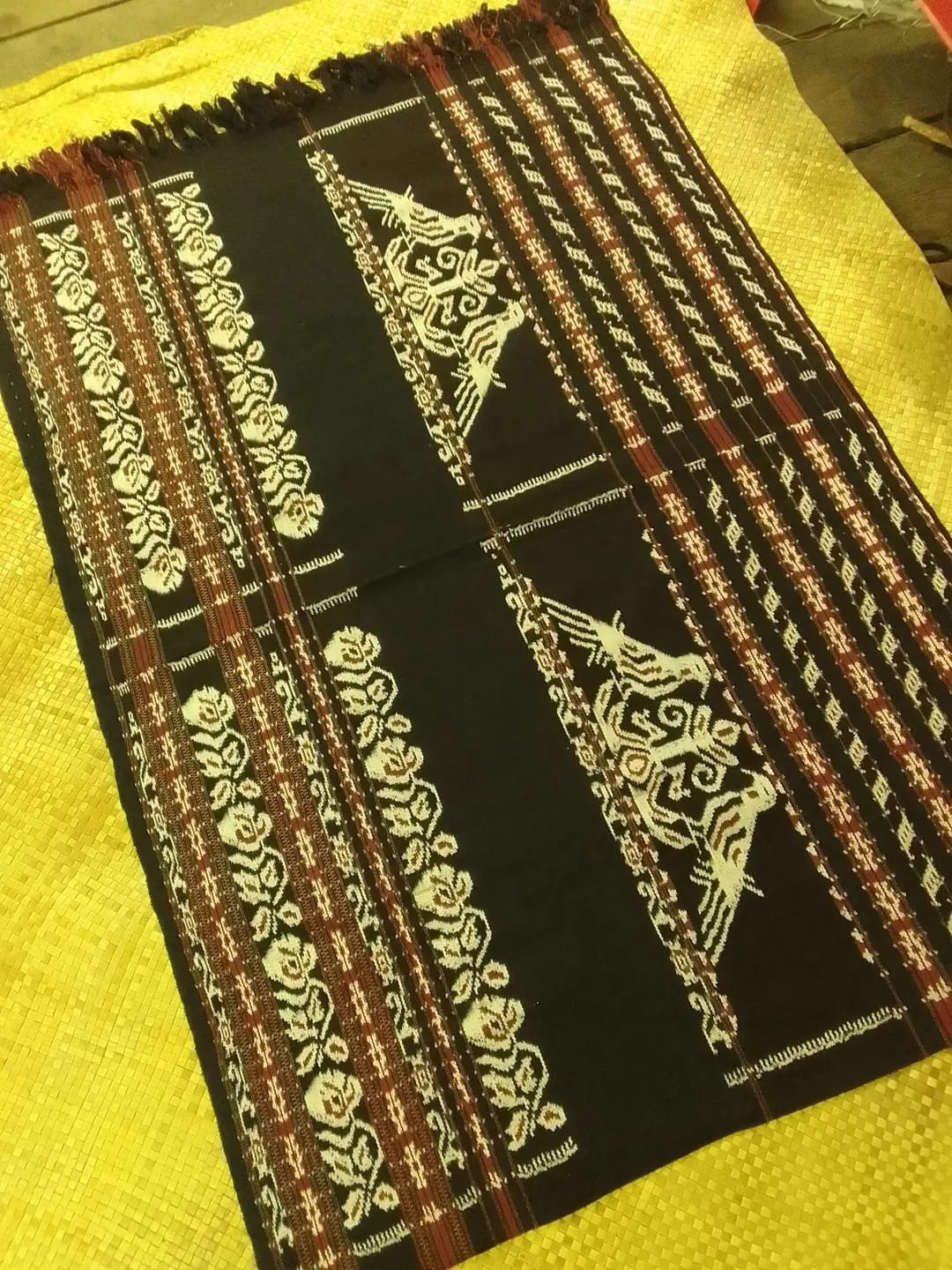
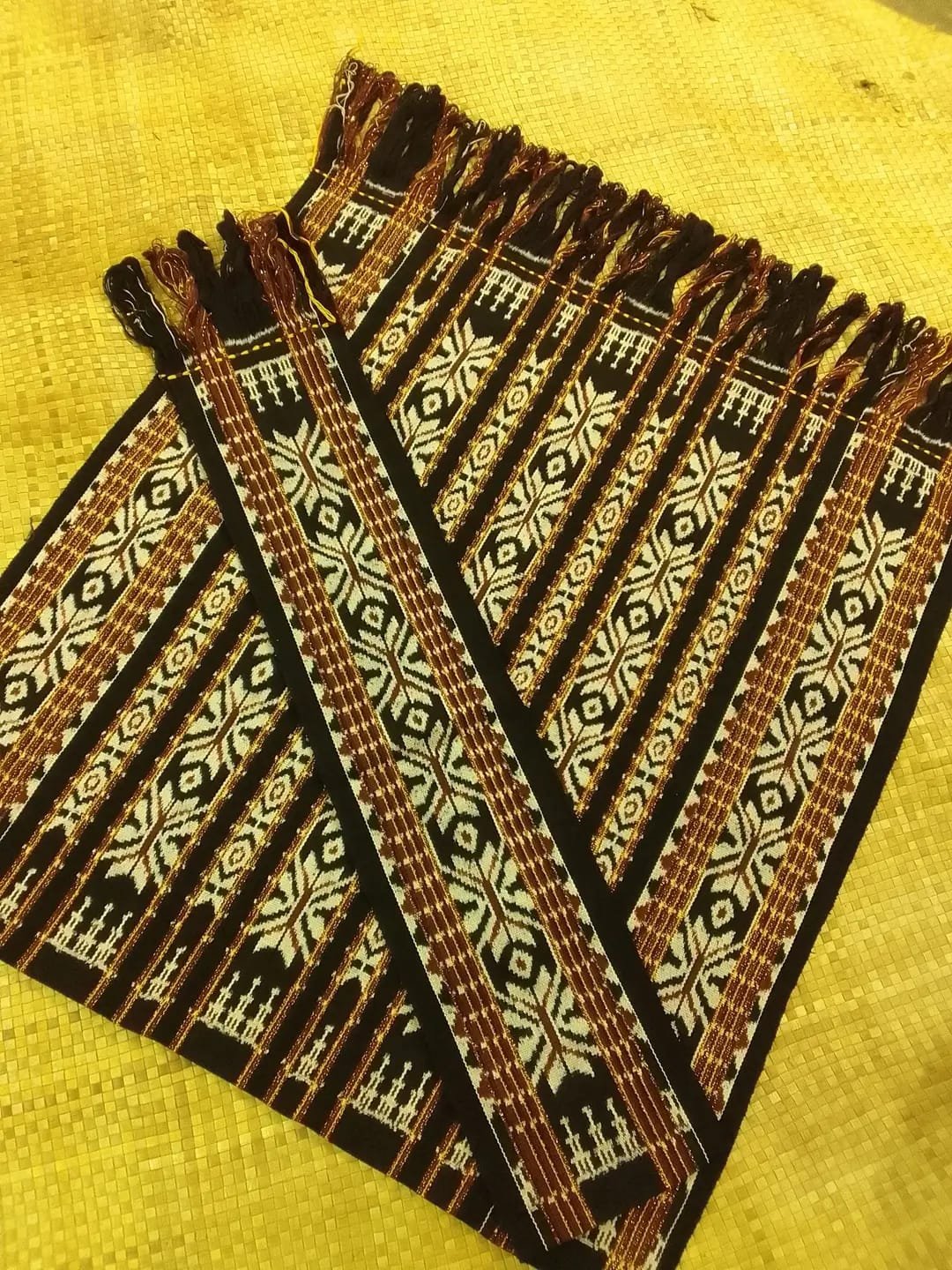
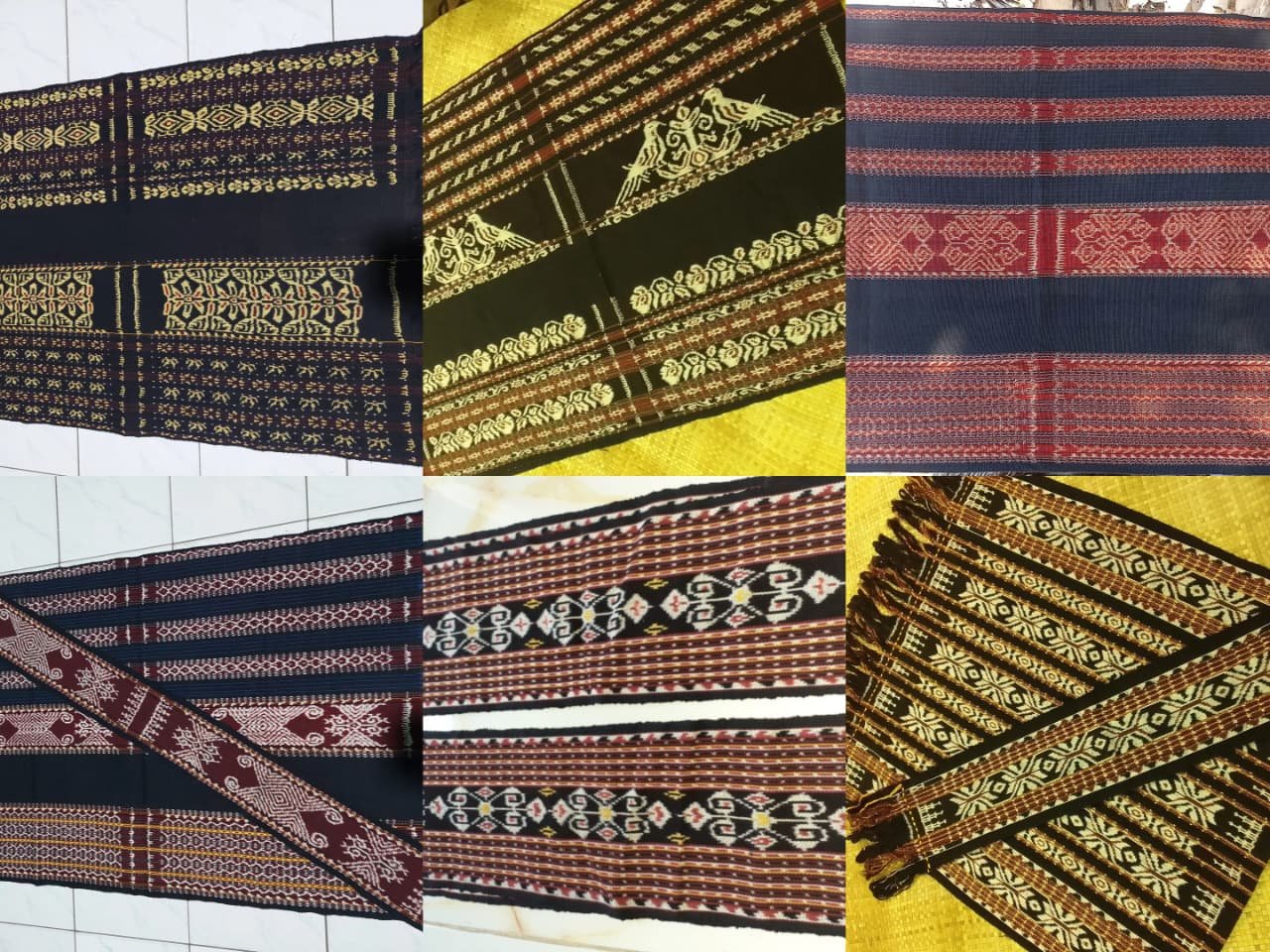
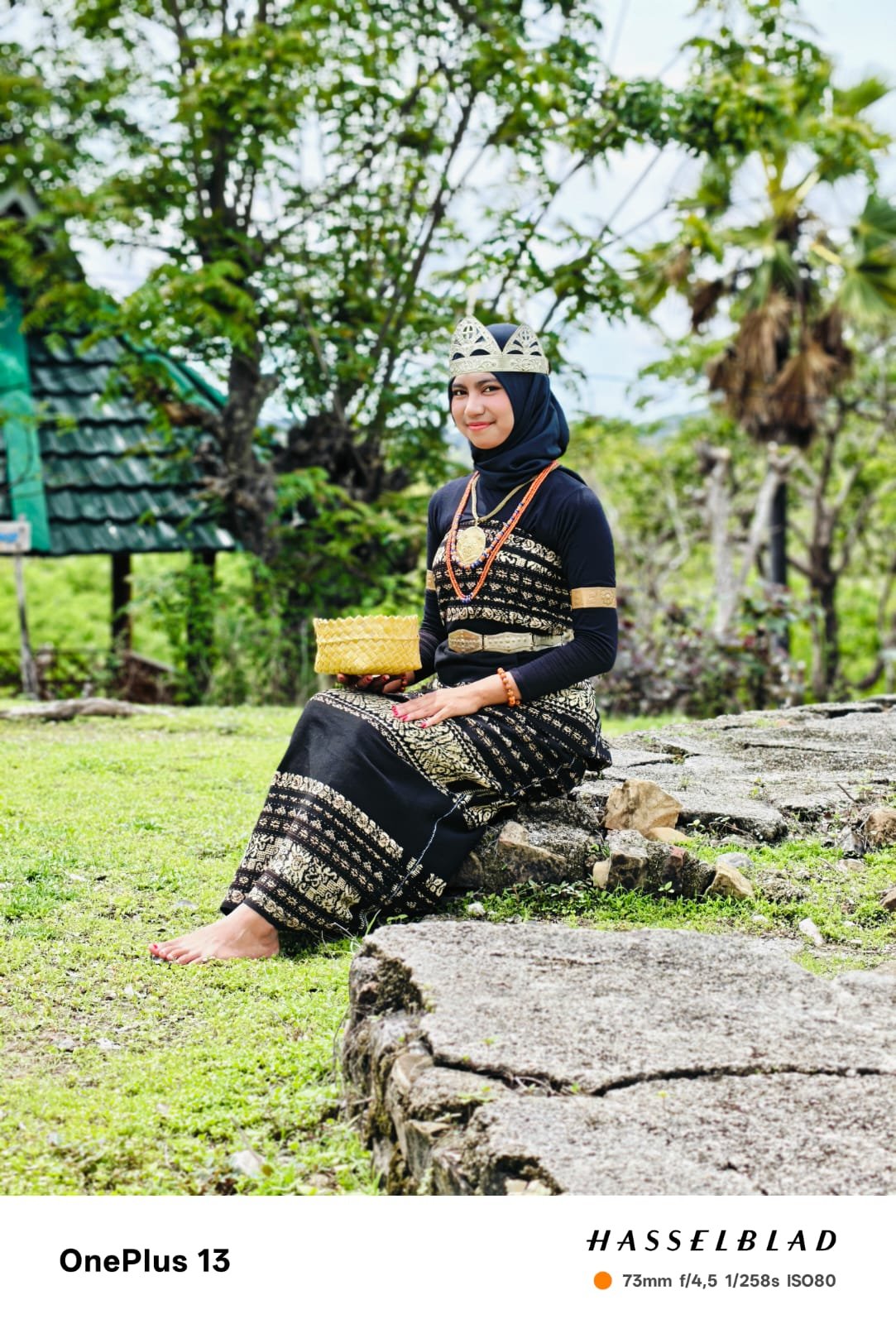
ASAL USUL KAIN TENUN SABU RAIJUA- Kain Tenun Sabu khas Pulau Sabu Raijua merupakan satu dari ribuan budaya masyarakat Indonesia yang patut kita banggakan. Pulau yang memiliki spot wisata yang menyimpan keindahan alam yang luar biasa ini merupakan salah satu gugusan pulau yang berada di Nusa Tenggara Timur (NTT). Budaya pada masayarakat ini masih terjaga dengan baik, bahkan terdapat beberapa kampung adat yakni Kudji Ratu di sabu Timur dan kampung Namata yang diwajbkan menggunakan sarung atau selimut khas Sabu.
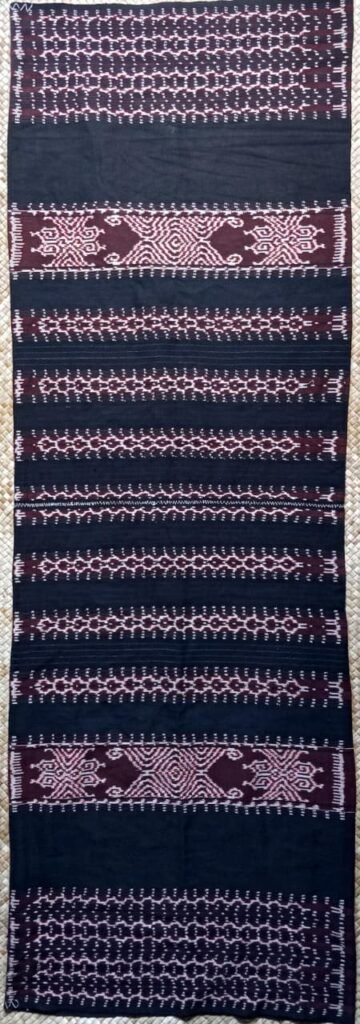
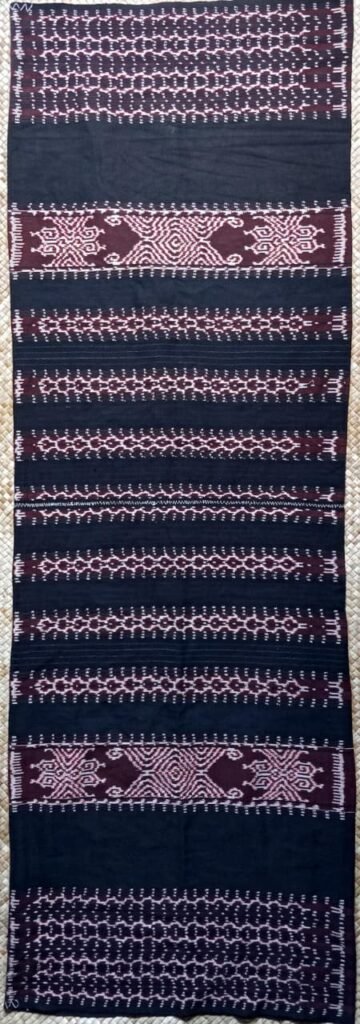
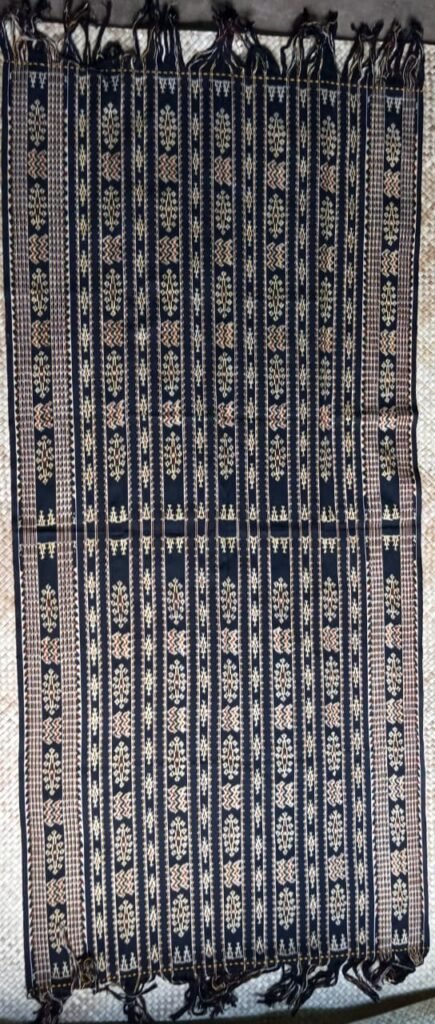
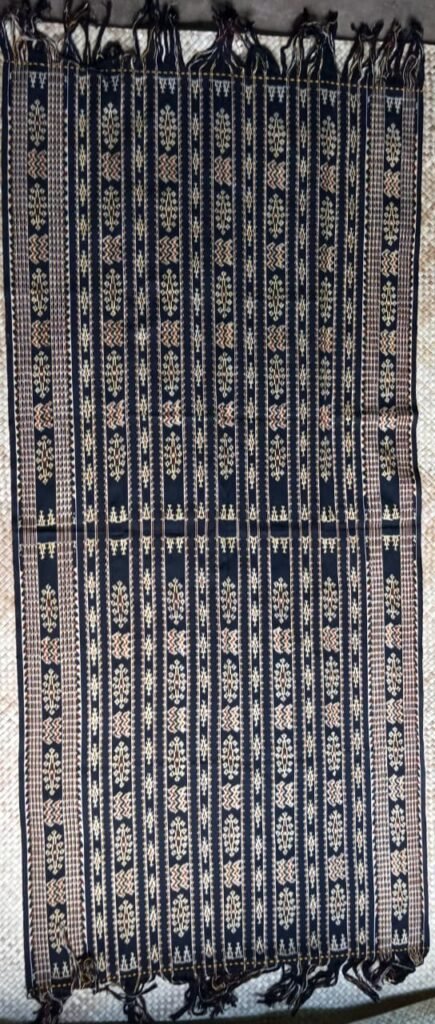
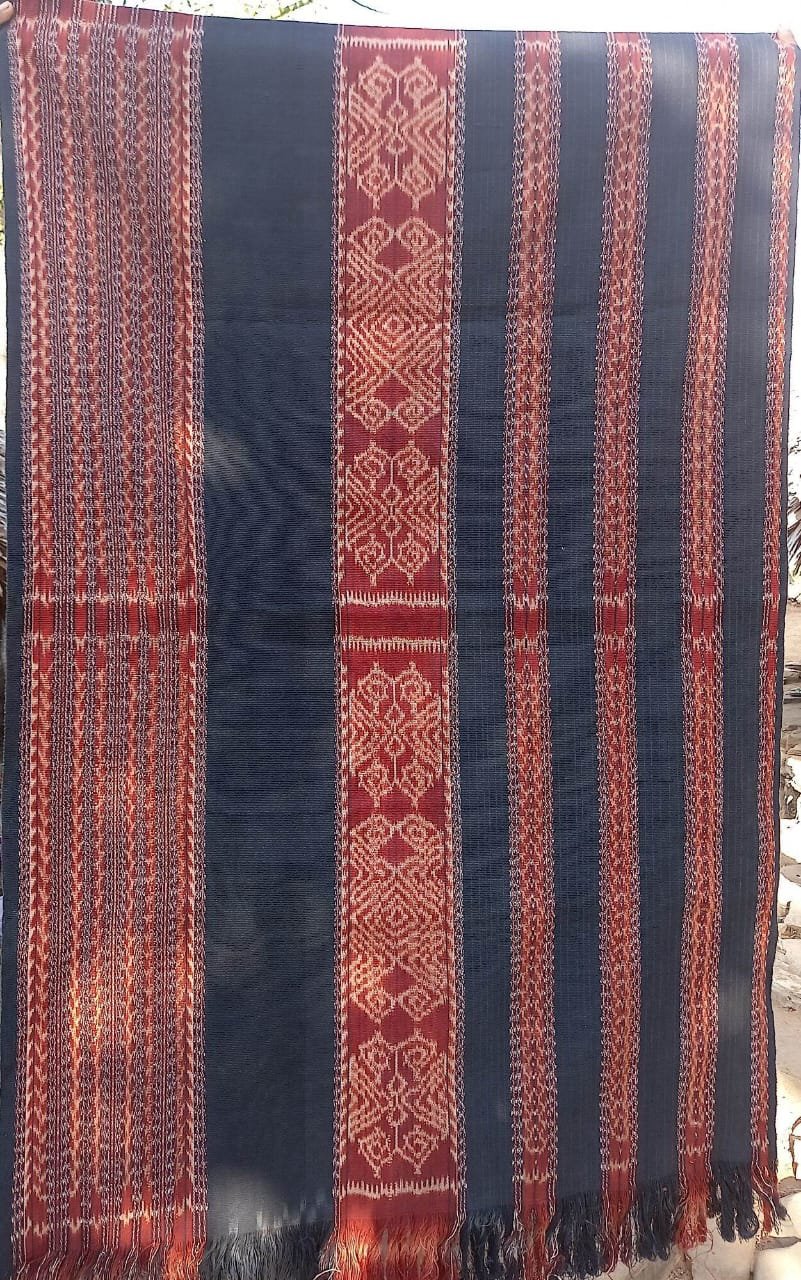
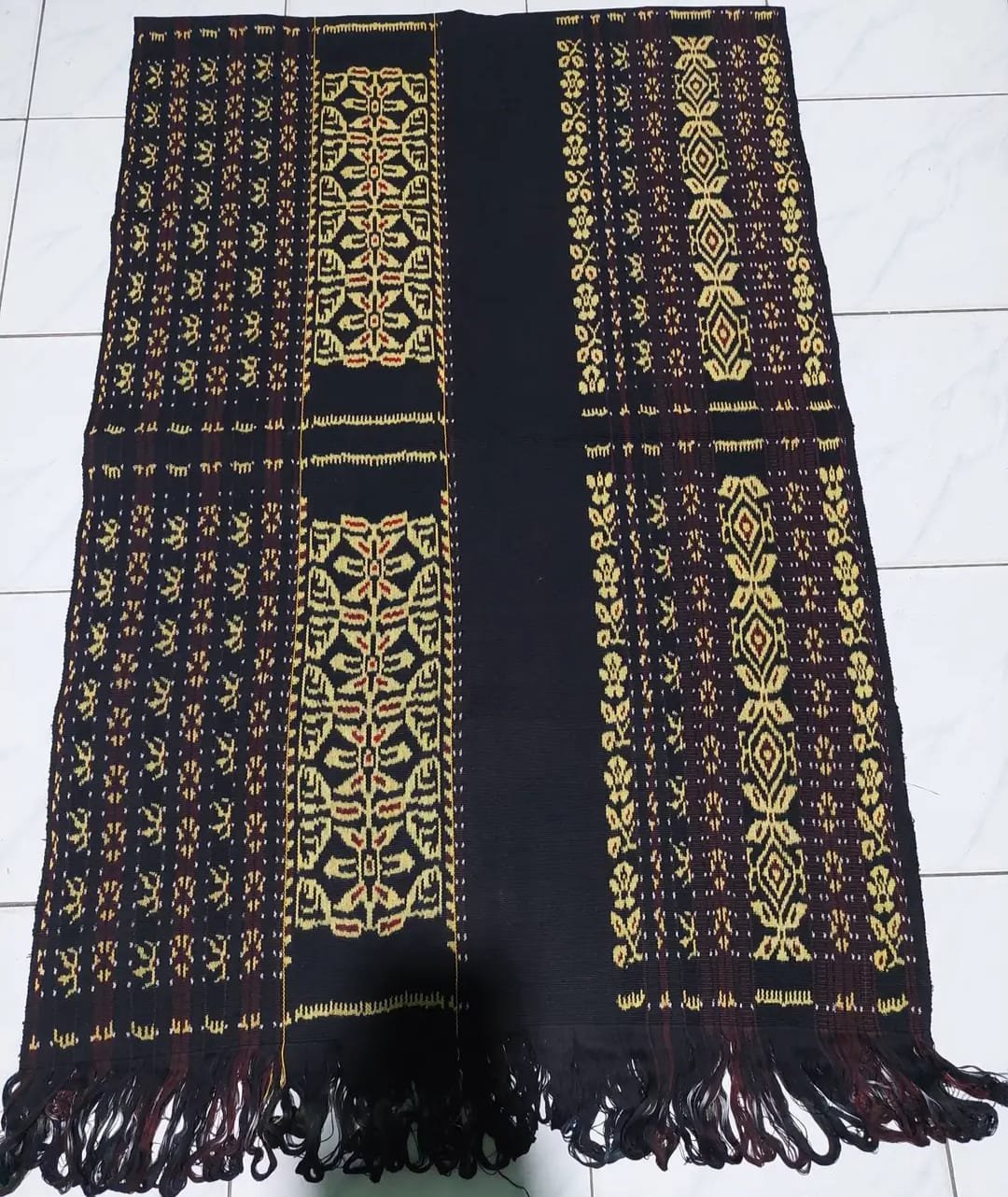
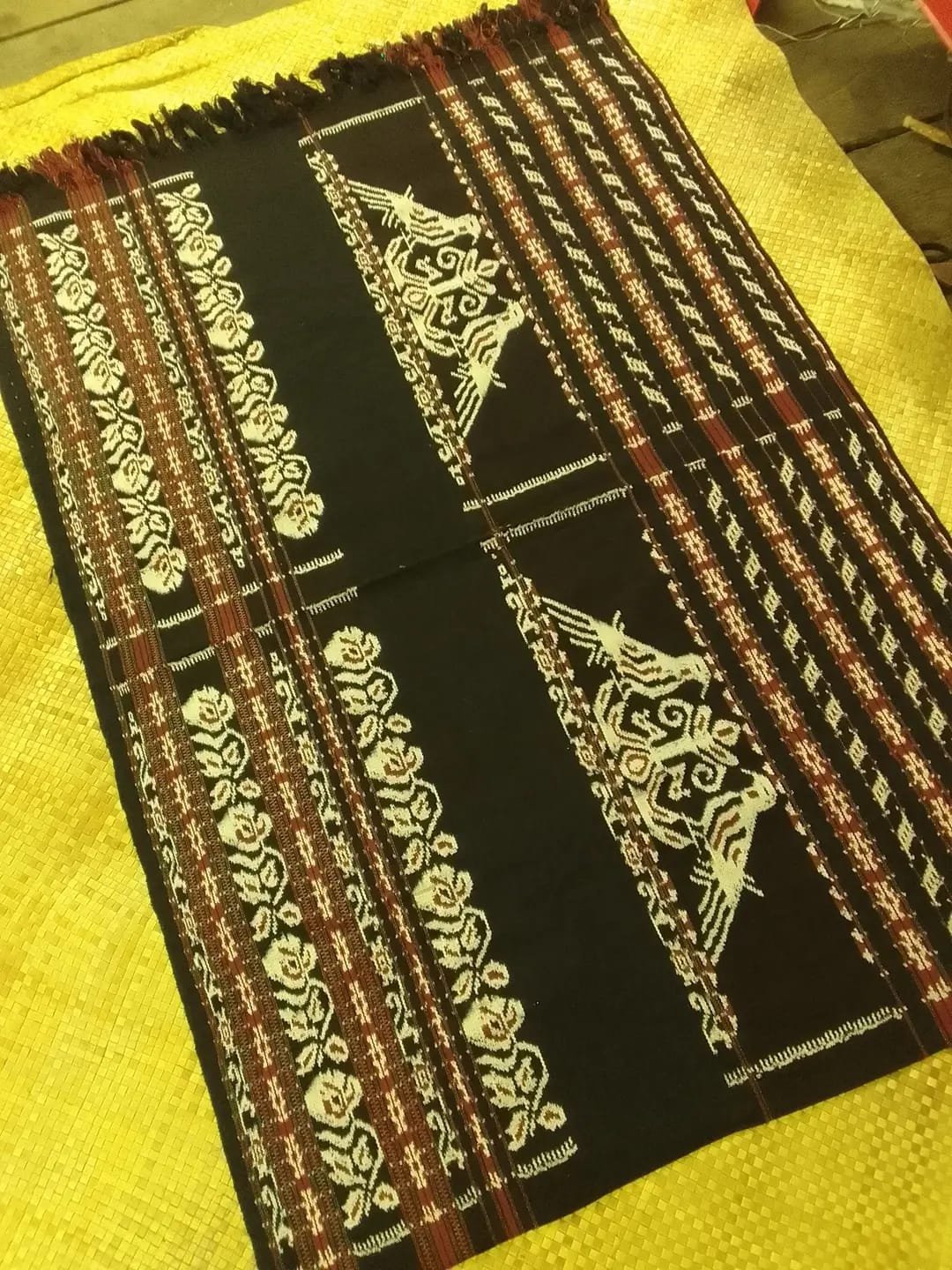
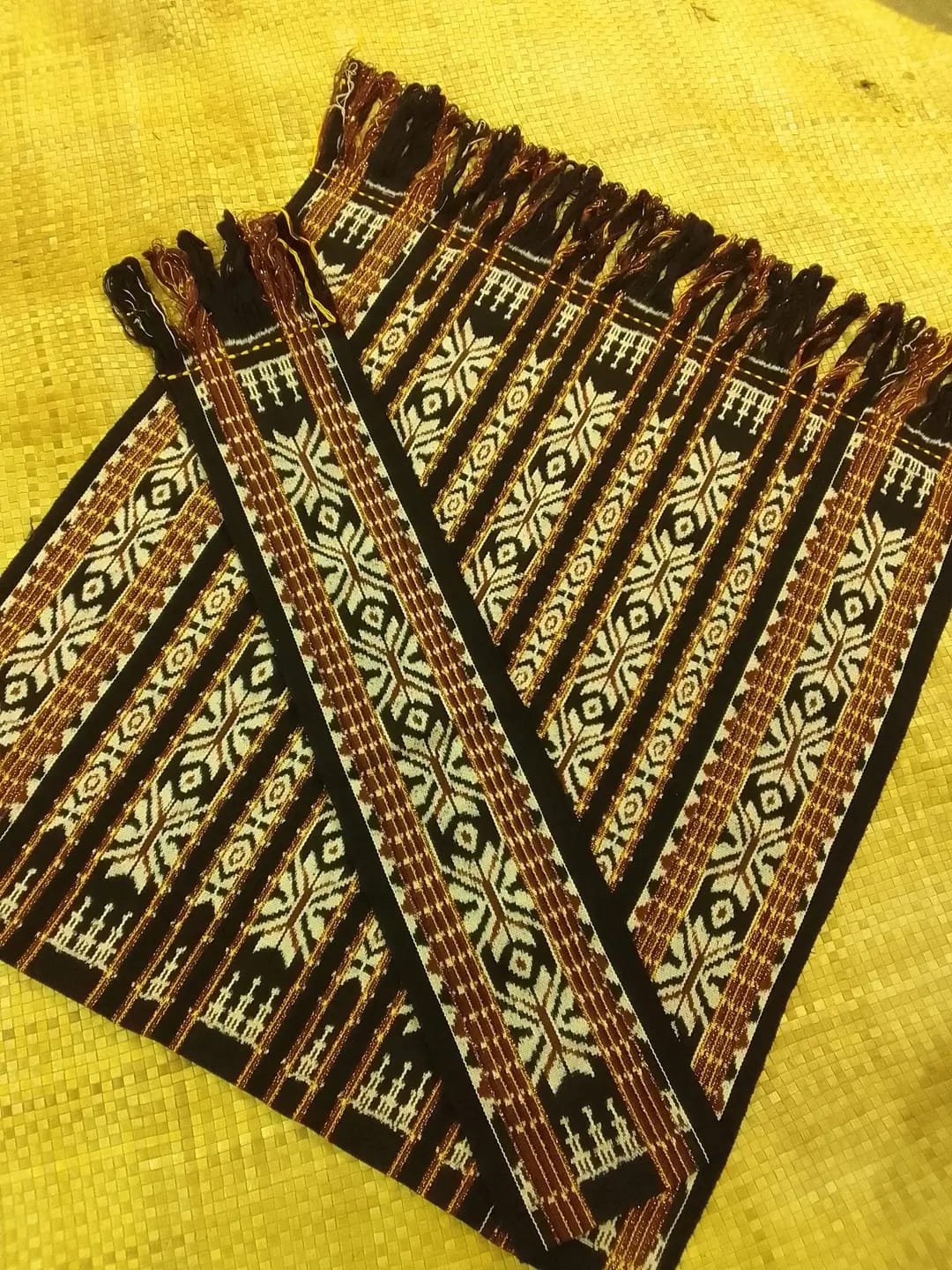
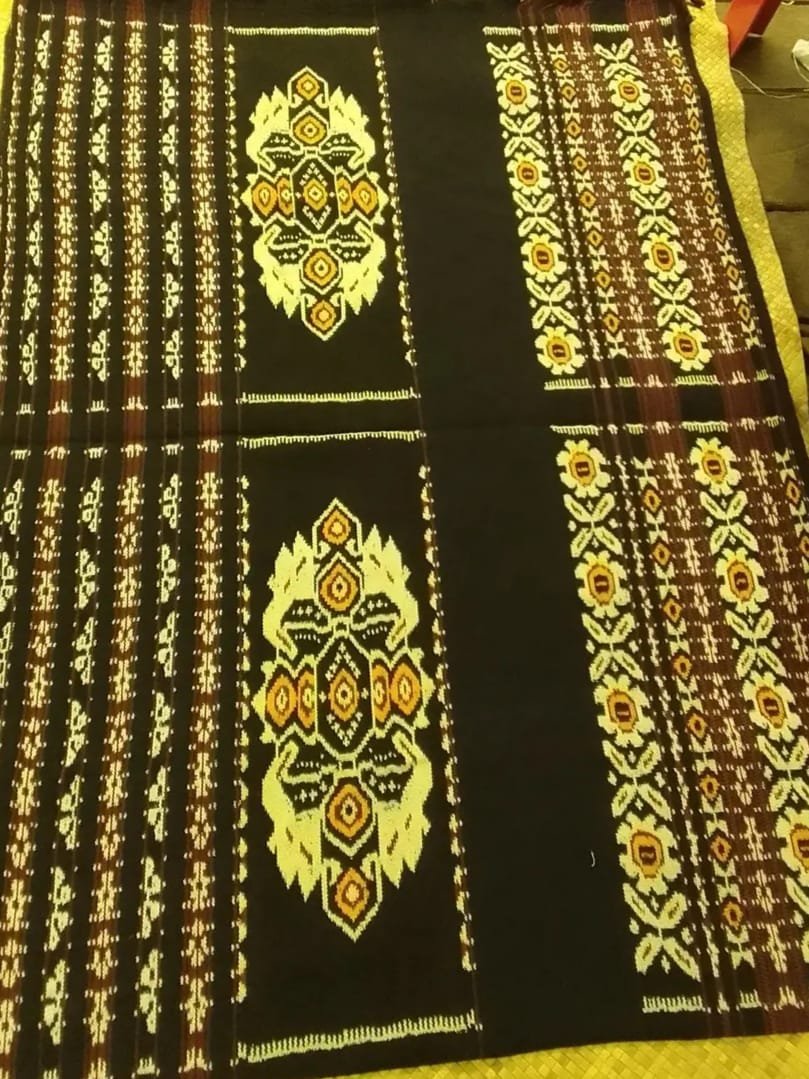
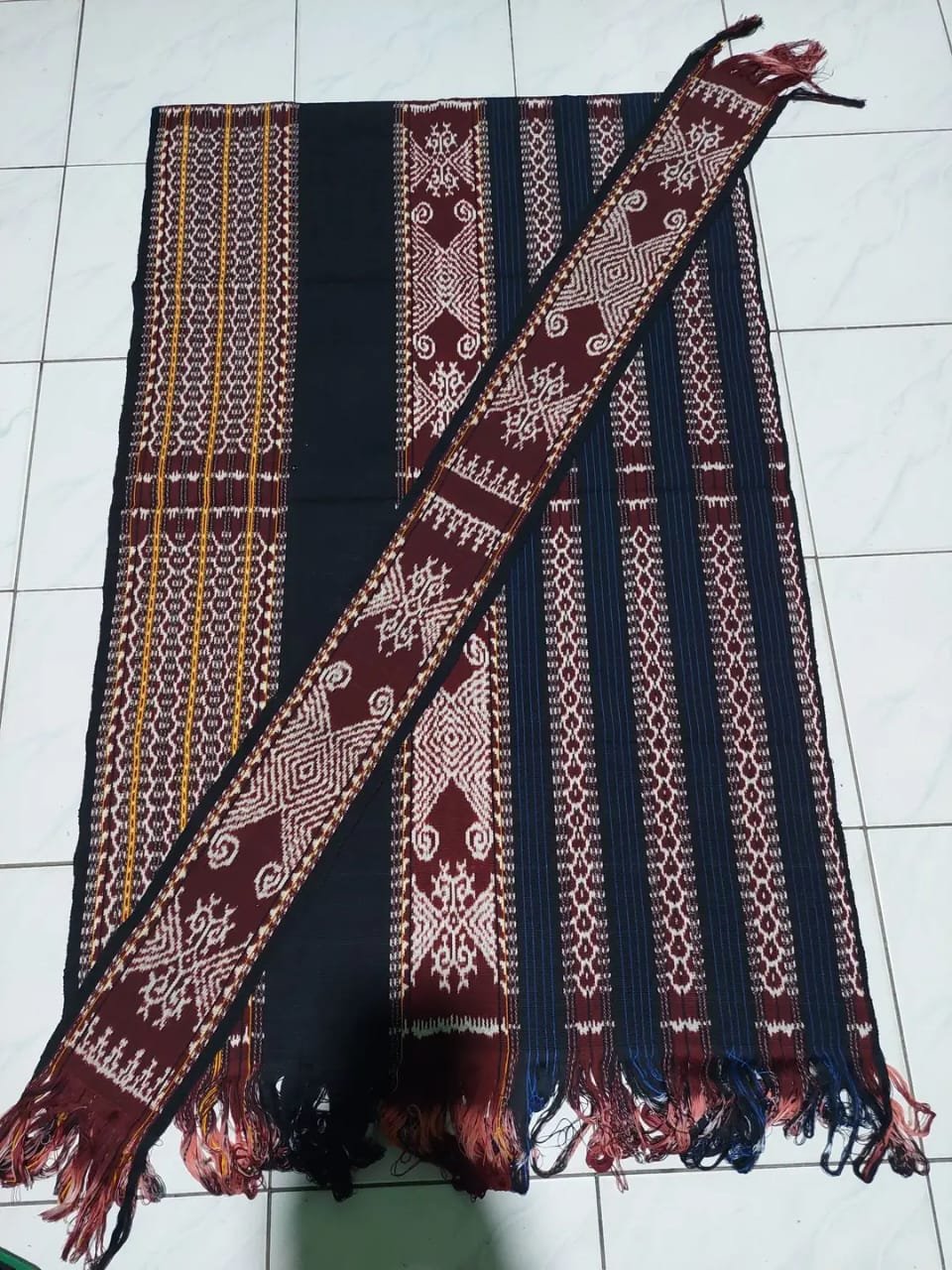
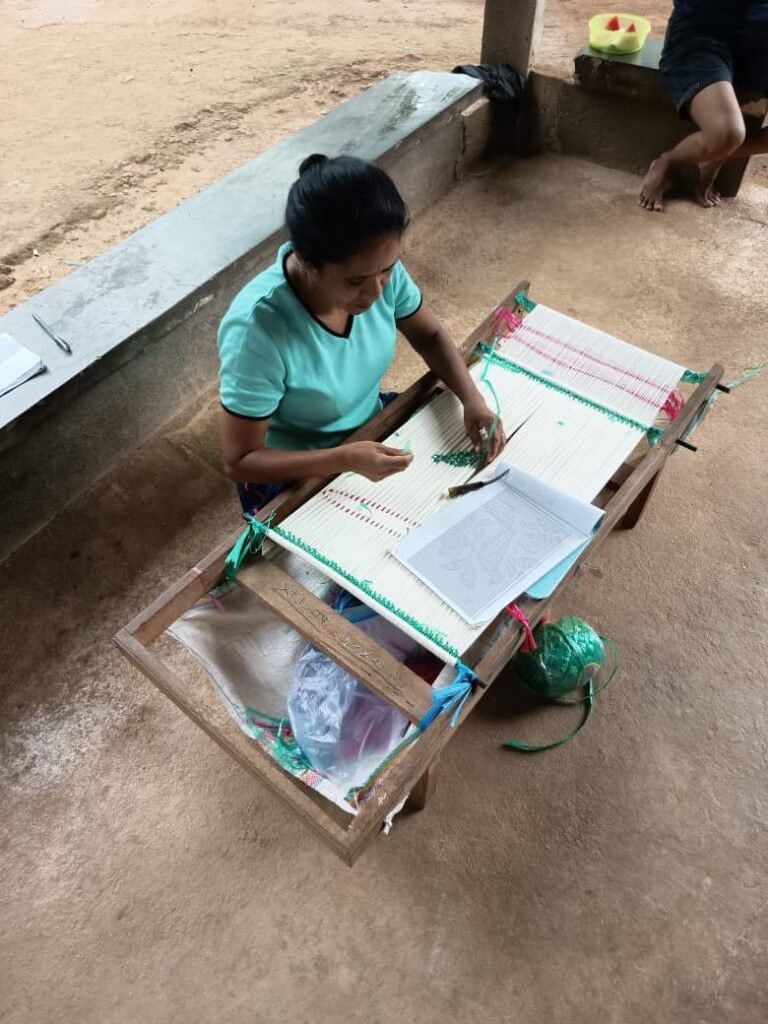
Tenunan khas sabu dikenal dengan nama Sabunya Ei atau sarung, Higi atau selimut, Naleda atau selendang tenun yang dibuat dengan benang dan direntangkan pada langa agar mudah diikat sesuai motif setelah dilumuri lilin. Warna yang biasa digunakan biasanya terdiri dari tiga warna yaitu biru atau hitam dari racikan nila, merah dari mengkudu dan kuning dari kunyit. Bagi masyarakat lokal, tiga warna membentuk tiga unsur penting badan atau darah bagian fundamental yang terdapat di dalam badan setiap mahkluk hidup. Keseimbangan tiga unsur ini dalam tubuh berhubungan dengan keseimbangan kosmis dan keadaan fisik yang sehat, demikian juga bagi tenun yang melindungi badan penggunanya.
Masyarakat Sabu diklasifikasikan sebagai masyarakat bilineal dan mengenal kelompok-kelompok keturunan patrilineal dan dua garis matrilineal atau hubi dari garis dua kakak beradik perempuan. Nama dari kelompok matrilineal diambil dari tangkai buah pohon palem yaitu “Hubi Ae” (Bunga Palem Besar) dan “Hubi Iki” (Bunga Palem Kecil). Untuk motif yang dihasilkan, berbeda-beda dalam setiap kelompok. Kelompok Bunga Palem Besar memiliki tujuh wini, yaitu D’ila Robo, Ga, Meko, Pi’i, Migi, Raja dan Waratada. Sedangkan motif yang dihasilkan Kelompok Bunga Palem Kecil terdapat tiga wini, yaitu Jawu, Putenga dan Waratada.
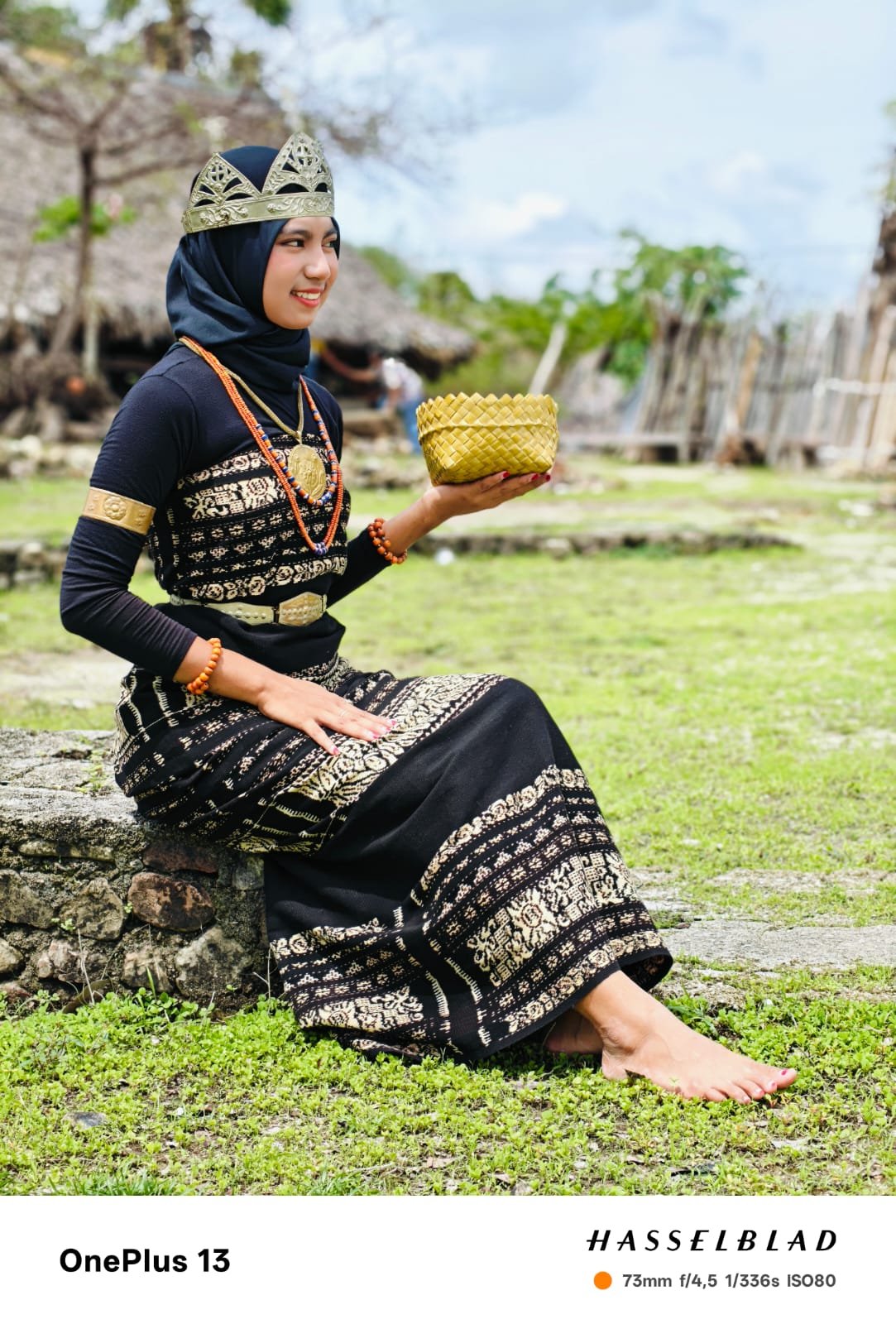
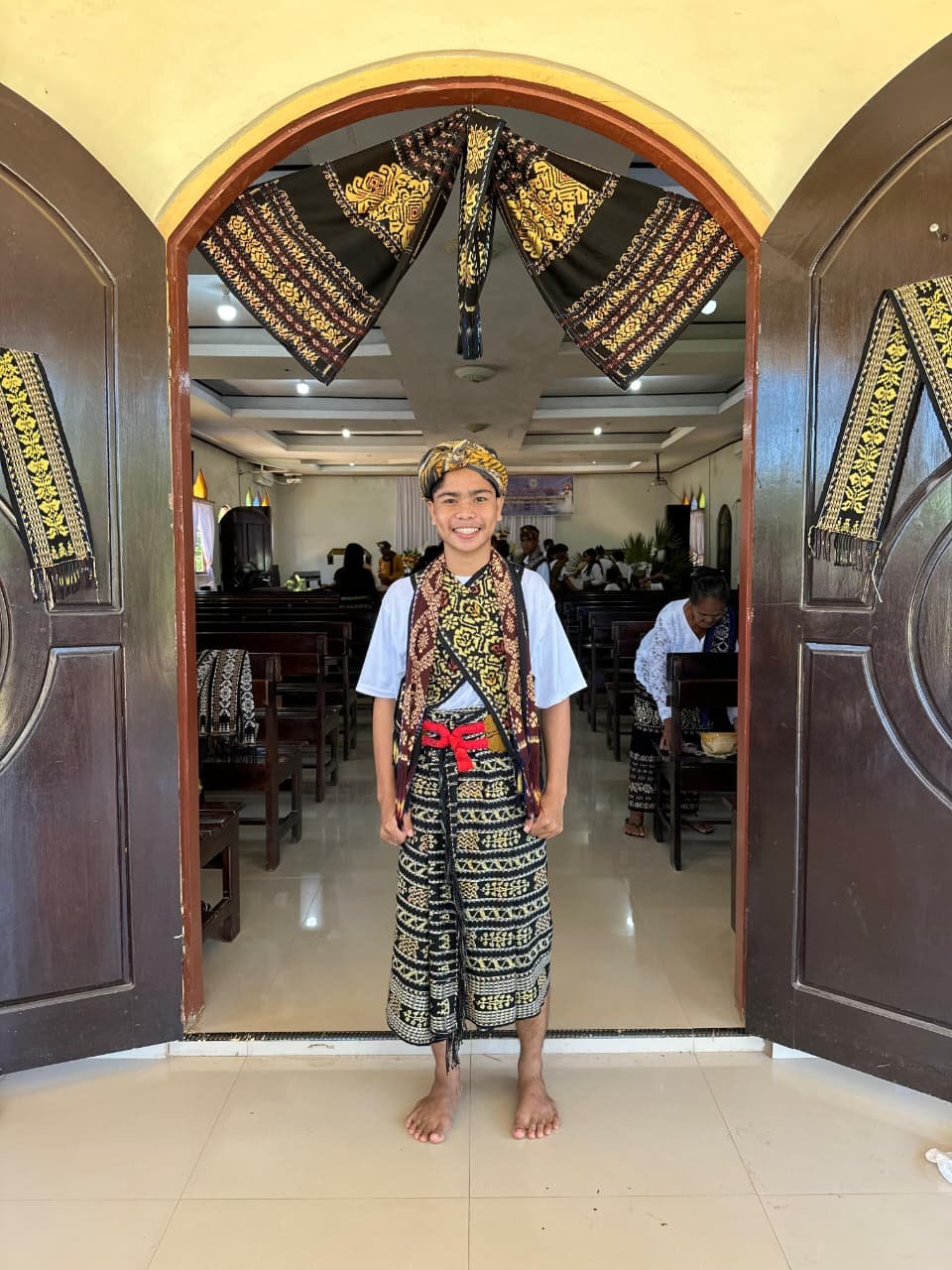
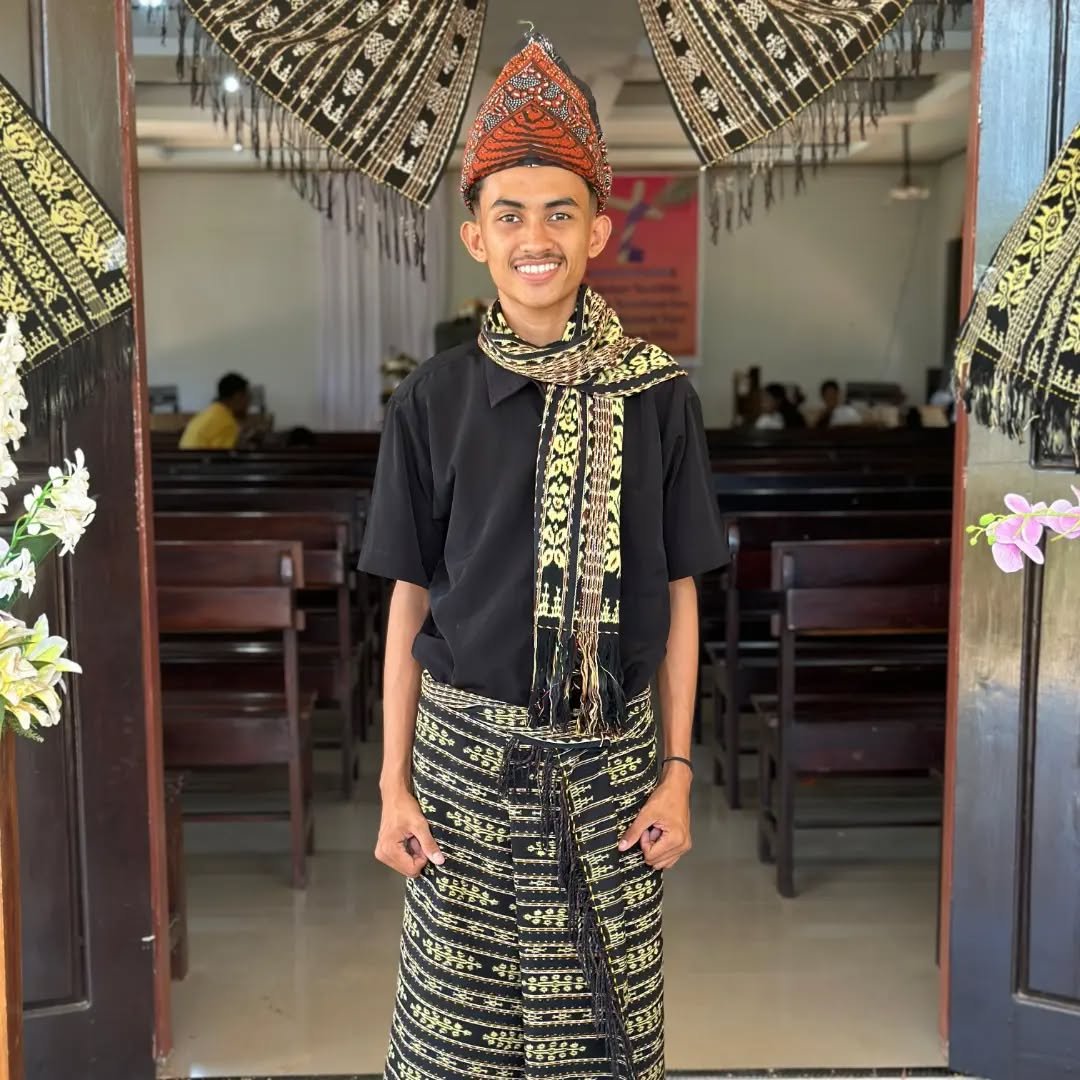
Penggunaan Sarung Sabu sangatlah mudah, cukup dengan mengikat dipinggang lalu sisanya dilipat kedepan untuk memperlihatkan motif ikatan. Sedangkan untuk pakaian malan biasanya para warga lokal menambahkan selendang dengan menggantungkan didepan.
Pulau Sabu Raijua merupakan pulau yang jauh dari hingar bingar perkotaan. Namun disanalah akan ditemui keteguhan mempertahankan warisan leluhur , tenunan tiada dua diatas tanah yang subur permai.
ORIGIN OF SABU RAIJUA WOVEN FABRIC
The traditional woven fabric of Sabu from Sabu Raijua Island is one of the thousands of cultural heritages of Indonesian society that we should be proud of. This island, which has many tourist spots with extraordinary natural beauty, is one of the cluster of islands located in East Nusa Tenggara (NTT). The culture of this community is still well preserved, and there are even several traditional villages such as Kudji Ratu in East Sabu and Namata Village, where wearing the traditional Sabu sarong or blanket is mandatory.
The traditional weaving of Sabu is known by several names: Sabunya Ei or sarong, Higi or blanket, and Naleda or woven shawl, which are made using threads stretched on a langa so they can be tied according to the motif after being coated with wax. The colors commonly used consist of three colors: blue or black from indigo, red from noni root, and yellow from turmeric. For the local people, these three colors represent the three important elements of the body or blood—fundamental parts found in every living creature. The balance of these three elements in the body is connected to cosmic harmony and physical health, just as the woven cloth is believed to protect the body of the wearer.
The Sabu community is classified as a bilineal society and recognizes patrilineal descent groups and two matrilineal lines called hubi, derived from two ancestral sisters. The names of these matrilineal groups come from the stem of the palm flower, namely “Hubi Ae” (Large Palm Blossom) and “Hubi Iki” (Small Palm Blossom). The motifs produced differ in each group.
The Large Palm Blossom group (Hubi Ae) has seven wini: D’ila Robo, Ga, Meko, Pi’i, Migi, Raja, and Waratada.
Meanwhile, the motifs produced by the Small Palm Blossom group (Hubi Iki) consist of three wini: Jawu, Putenga, and Waratada.
The use of the Sabu sarong is very simple—just tie it around the waist and fold the remaining part forward to show the tied motif. For formal wear, the local people usually add a shawl by hanging it at the front.
Sabu Raijua Island is far from the hustle and bustle of the city. Yet it is here that the determination to preserve ancestral heritage remains strong—an unparalleled weaving tradition on fertile and beautiful land.
DETILE
GALERY
Personal data
Nama penenun: Naomi Tuka
weaver’s name: Naomi Tuka
Pengalaman menenun : 30 tahun
weaving experience : 30 years
Alamat : Menia
Addres : Menia